Sustainable Solutions: How E-Waste Recycling Services Are Saving Our Planet
E-waste poses significant threats to the environment, as abandoned electronic devices commonly carry harmful materials. These hazardous substances can contaminate soil and water, resulting in widespread environmental harm. E-waste recycling services present a viable solution. They successfully retrieve useful resources while simultaneously minimizing environmental pollution. See it here Understanding how these services operate and their impact on communities is essential. The path to successful electronic waste management prompts vital discussions about personal accountability and communal efforts. What actions should be considered going forward?
Why E-Waste Poses a Threat to the Planet
Even though technological advancements improve modern life, e-waste poses considerable environmental hazards. Abandoned electronic gadgets, often containing hazardous materials such as cadmium, lead, and mercury, can leach toxins into soil and groundwater, posing risks to ecosystems and human health. The swift progression of technology leads to higher rates of electronics disposal among consumers, intensifying the growing problem of e-waste.
Landfills, already overwhelmed with refuse, find it difficult to handle the increasing amounts of discarded devices. Incineration, a common waste management technique, emits dangerous pollutants into the environment, degrading atmospheric conditions. In addition, improper recycling practices can lead to the exportation of e-waste to developing countries, where laborers may dismantle devices without adequate safety measures, exposing themselves to dangerous substances. This pattern of negligence and mismanagement highlights the critical demand for eco-friendly recycling alternatives that can reduce the damaging impact of electronic waste on the environment.
What Is E-Waste and Why Does It Matter?
E-waste, also referred to as electronic waste, includes obsolete electronic products such as televisions, computers, and smartphones that are no longer functional or needed. This increasingly prevalent form of waste is important because of its swift buildup, driven by technological advancements and consumer trends. With an increasing number of devices reaching obsolescence, the toll on the environment grows more severe, with dangerous elements including lead, mercury, and cadmium threatening both ecosystems and public health.
The importance of addressing e-waste lies not only in mitigating these hazards but also in recognizing the valuable materials it contains. Precious metals and rare earth elements can be recovered and reused, reducing the need for mining and conserving natural resources. By understanding e-waste and its implications, individuals and organizations can make informed decisions about disposal and recycling, ultimately contributing to a more sustainable future. Effective handling of e-waste is vital for encouraging a circular economy and advancing environmental responsibility.
The Way E-Waste Recycling Functions
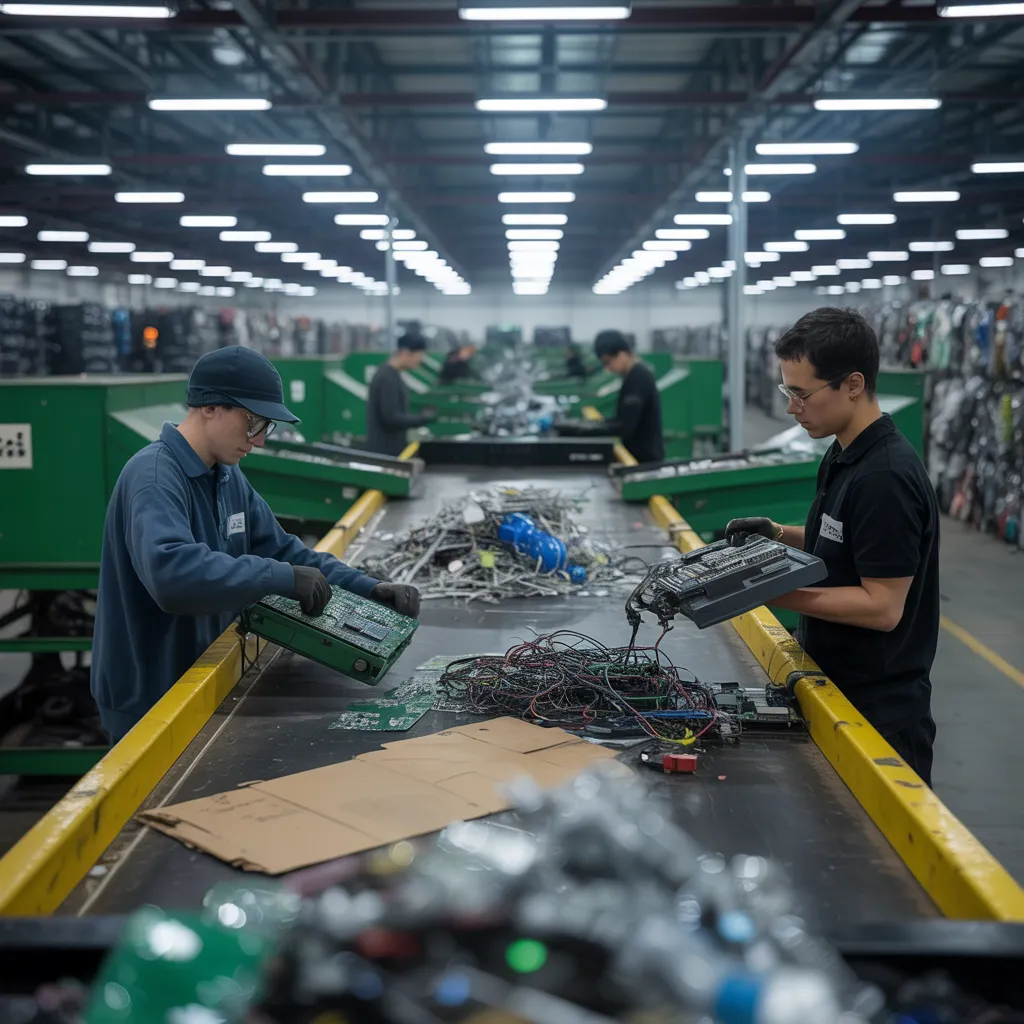
The recycling of e-waste encompasses a structured approach intended to extract beneficial components while minimizing environmental impact. At the outset, electronic waste is gathered and delivered to specialized recycling facilities. Once there, the electronics are carefully categorized to isolate dangerous parts from recoverable materials.
Next, technicians break down the devices, extracting plastics, metals, and glass. This phase is essential, as it makes possible the extraction of high-value metals like gold, silver, and copper, which are repurposed in new electronic devices.
Subsequently, the sorted materials are treated via advanced techniques, such as chemical treatments and shredding, to cleanse them for reuse.
Ultimately, the remaining hazardous materials are disposed of responsibly, complying with environmental guidelines. This multi-step approach not only saves important resources but also minimizes the hazards linked to irresponsible electronic waste disposal, ensuring a more sustainable future for electronic device usage.
How E-Waste Recycling Benefits You and Your Community
Though many people are unaware, the advantages of e-waste recycling reach well past personal use to meaningfully influence entire communities. By responsibly disposing of electronic waste, individuals help foster a healthier environment, minimizing toxic components that can leach into soil and water. This forward-thinking practice works to protect local ecosystems and advances public health.
Moreover, e-waste recycling fosters workforce growth within communities. Local recycling facilities often require personnel for numerous tasks, covering everything from collection to processing, thus generating valuable job opportunities to area workers. This not only stimulates the local economy but also fosters community involvement in eco-friendly practices.
Additionally, familiarity with e-waste recycling is capable of inspiring educational initiatives, equipping residents to make environmentally conscious decisions. By participating in e-waste recycling programs, individuals nurture a culture of sustainability, encouraging others to embrace similar practices. Ultimately, the shared impact of these actions can contribute to a more resilient and environmentally responsible community.
How to Pick an E-Waste Recycling Service
Picking the most suitable e-waste recycling service is crucial for guaranteeing that electronic refuse is managed with responsibility and sustainability. First, people should confirm the provider's accreditations, such as R2 and e-Stewards certifications, which demonstrate compliance with professional guidelines for safe recycling practices. It's also important to examine the company's reputation by checking reviews and seeking advice from dependable sources.
Moreover, openness in the recycling process is crucial. A dependable provider should provide clear information about the way e-waste is handled and what becomes of the materials. Moreover, assessing the variety of services available can be advantageous; some companies may provide pickup services or offer incentives for recycling.
Furthermore, learning about regional rules concerning e-waste disposal can help inform the evaluation process. By prioritizing these factors, residents can actively participate in effective e-waste management while supporting green and responsible behaviors.
How You Can Get Involved in E-Waste Recycling?
Engaging in e-waste recycling often starts at the local level, where community recycling hubs regularly supply essential services for proper disposal. Moreover, joining community awareness campaigns can enhance efforts to inform others regarding the importance of responsible e-waste management. These initiatives not only encourage sustainable practices but also cultivate a collective sense of responsibility toward the environment.
Local Recycling Centers
Numerous local recycling centers perform an important function in the recycling of e-waste, supplying communities with reliable ways to handle electronic waste in a responsible manner. These hubs welcome a range of digital devices, including used computers, handheld devices, and televisions, guaranteeing that dangerous substances are processed safely. The majority of facilities employ experienced team members who are able to assist individuals with correct disposal techniques, highlighting the value of recycling rather than landfilling. Moreover, several stations organize drop-off events or designated collection days, making it easy for residents to participate. By engaging with these local facilities, individuals contribute to a circular economy, decreasing environmental damage and advancing sustainable approaches. Partnering with these facilities empowers communities to take action against e-waste pollution effectively.
Public Awareness Initiatives
Community groups, educational institutions, and companies can work together to organize events that support e-waste collection drives. Dedicated participants can take a leading part in raising awareness, sharing informational resources, and connecting with local residents. As a result of these combined actions, community members grow more knowledgeable and inspired to dispose of their electronics responsibly, thus playing a meaningful role in creating a more environmentally responsible future.
Answers to Your Most Common Questions
What Kinds of Electronics Can Be Recycled?
A wide range of electronics are able to be recycled, including laptops, televisions, smartphones, printers, computers, and gaming consoles. Furthermore, ancillary devices such as mice, keyboards, and batteries are well-suited for recycling, contributing to eco-friendly conservation initiatives.
Do Any Costs Come With E-Waste Recycling?
Yes, e-waste recycling may involve fees, depending on the provider. Certain providers impose charges for pickup or handling, while others make services available at no charge, often subsidized by the proceeds from salvaged materials.
How Do Businesses Gain From E-Waste Recycling?
Companies can take advantage of e-waste recycling by lowering disposal expenses, strengthening their ecological standing, adhering to regulatory requirements, recovering valuable materials, and creating potential earnings via resale, thus supporting a greener and more sustainable operational framework.
What Happens to Data on Recycled Devices?
Information regarding recycled devices is often permanently erased or destroyed during the refurbishment process. This ensures confidential data remains secure, blocking unwanted intrusion while allowing materials to be recycled carefully and ethically across new manufacturing processes.
Can I Recycle Broken Electronics?
Indeed, non-functioning electronics can be recycled. A wide range of facilities process damaged devices, providing proper disposal and extraction of precious materials. It helps minimize harm to the environment while supporting sustainable recycling habits to manage e-waste properly.